Health and Safety Policy for Tree Surgeons Barking
 Tree Surgeons Barking is committed to carrying out all arboricultural work with a clear focus on health, safety, and professional responsibility. Our approach is designed to protect employees, clients, contractors, members of the public, and property while maintaining high standards of workmanship. Safety is not treated as an extra step; it is built into every stage of planning, execution, and completion.
We recognise that tree surgery involves working at height, using sharp tools, handling heavy timber, and operating in environments where risks can change quickly. For that reason, every tree surgery Barking task is assessed before work begins, with controls put in place to reduce foreseeable hazards. This policy applies to all employees, subcontractors, and anyone acting on behalf of the company.
 Our goal is to ensure that each tree surgeon Barking operation is completed efficiently without compromising wellbeing. We believe safe practice supports quality results, reduces disruption, and helps maintain trust in the service we provide. By following a structured safety system, we create a working environment where risks are identified early and managed properly.
Before any site activity starts, a competent person will review the location, the tree condition, access arrangements, nearby structures, overhead services, and public exposure. This preliminary assessment helps determine the safest method of work, the tools required, and whether additional precautions are needed. Where necessary, operations may be delayed until conditions are suitable.
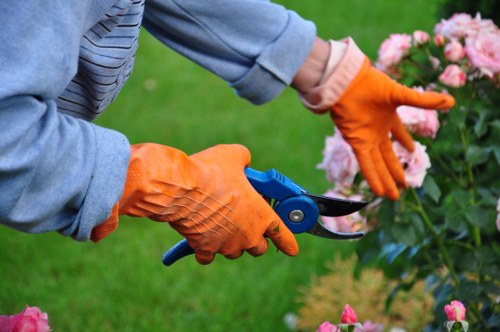
All personnel are expected to follow safe working procedures at all times. This includes wearing appropriate personal protective equipment, maintaining equipment in good condition, and respecting site boundaries. We expect every team member to remain alert, report concerns promptly, and stop work if a situation becomes unsafe. Responsibility for safety is shared across the whole team.
We place strong emphasis on communication. Clear instructions, task briefings, and supervision help ensure that each tree surgeon team understands the plan for the day. In busy or complex environments, this is especially important because many hazards arise from miscommunication or unexpected changes. Simple, direct communication supports safer decisions and smoother operations.
 Working at height is one of the most significant risks in tree surgery services, so appropriate climbing, rigging, and rescue arrangements must always be in place. Equipment used for access and aerial work is inspected regularly, and only trained individuals are permitted to use it. Where a safer alternative method is available, it will be considered before climbing is undertaken.
Chainsaws, pole tools, wood chippers, and other machinery must be handled only by competent operatives. Each tool has its own risks, and misuse can lead to serious injury. Our policy requires routine checks, correct operation, and immediate removal from service of any equipment found to be defective. Well-maintained tools are a key part of safe tree surgery.
Manual handling is also carefully managed. Branches, logs, and waste material can be heavy, awkward, and unstable, so lifting and moving tasks should be planned to reduce strain and avoid sudden movement. Mechanical assistance should be used where practical. Good technique, teamwork, and sensible load management all contribute to preventing injury.
Weather and environmental conditions can have a major impact on safety. High winds, rain, ice, or poor visibility can make climbing, cutting, and lifting more dangerous. In such cases, the work plan may need to be revised or postponed. A responsible tree surgeon in Barking should never continue if weather or ground conditions create unacceptable risk.
Public safety is equally important. Barriers, warning signs, and controlled access zones are used to keep unauthorised people away from active work areas. Traffic, pedestrians, and neighbouring properties may all be affected by tree work, so suitable precautions are required to prevent falling debris, accidental contact, or unnecessary disturbance. The aim is to protect everyone nearby.
Emergency readiness is a vital part of the policy. All work teams must know how to respond to accidents, equipment failure, fire, entrapment, or a fall from height. First aid provision, rescue planning, and incident reporting procedures are to be in place before work begins. A calm, organised response can make a significant difference in an emergency situation.
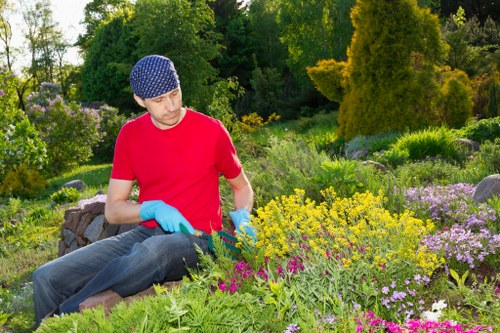 Training and competence are fundamental to our approach. We require operatives to hold the skills appropriate to the tasks they perform and to keep those skills current through refresher learning and supervised experience. A capable arborist service must be built on more than equipment; it depends on informed people making safe decisions every day.
Environmental responsibility also supports safety. Waste should be managed properly, work areas kept tidy, and cut material stacked or removed in a controlled manner. Good housekeeping reduces trip hazards, prevents obstruction, and helps maintain clear escape routes. A clean site is usually a safer site.
Monitoring and review are essential to keeping the policy effective. Supervisors will observe work practices, assess compliance, and identify opportunities for improvement. If an incident, near miss, or repeated unsafe behaviour occurs, the issue will be investigated and corrective action taken. This helps ensure that lessons are learned and standards remain high.
 This policy is reviewed regularly to confirm that it remains suitable for the nature of the work and the risks involved. Changes in equipment, methods, legislation, or working conditions may require updates. Our commitment is simple: every tree surgery Barking project should be planned and delivered with care, competence, and respect for health and safety.
By applying these principles consistently, Tree Surgeons Barking aims to provide dependable services while protecting people, property, and the environment. Safety is the foundation of professional tree care, and every task is expected to reflect that standard.