Tree removal in Barking for homes, landlords, and businesses
If you are looking for Tree removal in Barking, you may already be dealing with a tree that has become too large, is causing concern, or simply no longer fits the space. In a busy part of East London like Barking, trees can quickly go from being a welcome feature to a practical problem. Overgrown roots, damaged trunks, low branches, blocked light, unsafe leaning stems, and limited access around buildings can all make removal the right option. A local tree surgery team can help assess the situation, explain what is involved, and carry out the work with the least possible disruption.
Barking has a wide mix of property types, from terraced streets and maisonettes to newer apartment developments, business premises, schools, car parks, and industrial units. That variety matters because tree removal is never a one-size-fits-all job. The approach for a back-garden conifer in a residential street is very different from removing a mature tree beside a commercial entrance, a shared driveway, or a boundary fence. A local team understands these differences and can plan the work around access, neighbours, parking restrictions, and the realities of working in built-up areas.
Whether you need a single tree taken down, a dangerous tree made safe, or a number of trees cleared from a site, the aim is always the same: a safe, tidy, and well-managed service that protects nearby people and property. Tree removal should always be treated as a specialist task, particularly where height, decay, nearby structures, or tight working space are involved. If you are unsure whether a tree needs to be removed, it is worth arranging an inspection before the problem gets worse.
Why people in Barking choose tree removal

There are many reasons why local customers request tree removal. Some trees are clearly unsafe, while others are simply in the wrong place. A tree may be blocking daylight, lifting paving, pushing against a wall, or interfering with drains and underground services. In other cases, the issue is not immediate danger but long-term inconvenience. Trees can shed a lot of leaf litter, create shading in gardens and courtyards, or make it harder to use parking areas and outdoor spaces.
In Barking, the most common reasons for removal often include:
- Storm damage or splitting after high winds
- Dead, dying, or diseased trees
- Roots affecting driveways, paving, or retaining walls
- Trees leaning toward homes, garages, or boundary lines
- Overcrowding in small gardens or shared spaces
- Construction, landscaping, or access changes
- Blocked light for windows, gardens, or commercial premises
Sometimes, a tree has simply reached the point where pruning is no longer enough. If a crown reduction or crown thinning would not solve the underlying issue, then full removal may be the most sensible and cost-effective choice. The key is getting proper advice before deciding. A careful site assessment can help you understand whether removal is truly needed or whether an alternative solution might work better.
What tree removal involves
Tree removal is usually more involved than many people expect. Depending on the size, location, and condition of the tree, the job may involve dismantling it in sections, using ropes and lowering systems to control branches safely, or taking it down from the top in a planned sequence. In tight Barking streets or gardens with limited rear access, sections may need to be carried through narrow side paths, shared entrances, or internal access points. That is why experience and planning matter so much.
Typical stages of a removal job

A professional service normally starts with an assessment of the tree, the surrounding area, and any obstacles. This might include fences, sheds, parked vehicles, overhead cables, conservatories, garden rooms, or nearby buildings. The team then decides how to work safely and efficiently. If the tree is near a road or pavement, additional care may be needed to manage falling material and keep the public safe. For larger or more complex trees, a section-by-section dismantle is often the safest method.
The actual removal process may include the following steps:
- Initial inspection and discussion of the problem
- Risk assessment and access planning
- Setting up the work area and protective measures
- Cutting down the tree in controlled sections
- Lowering timber and branches safely to ground level
- Chipping smaller wood and removing arisings
- Cutting the trunk down to a suitable stump level
- Optional stump grinding or stump treatment if required
For many customers, the most reassuring part is knowing that the site will be left tidy at the end of the job. Good tree removal is not only about taking the tree away; it is also about clearing up responsibly so the space can be used again without hassle.
Important: if the tree is close to a structure or appears unstable, do not attempt to cut it yourself. Tree felling can be unpredictable, and what looks simple from the ground can become dangerous very quickly once work begins.
Local challenges that matter in Barking
Barking’s built environment creates very specific challenges for tree work. Many properties have limited off-street parking, narrow access routes, or shared front gardens. Some streets are busy enough that loading timber or bringing equipment in and out must be carefully timed. In flats, estates, and managed developments, there may be restrictions on vehicle movements, noise, or shared access areas. On commercial sites, operations may need to fit around opening hours, deliveries, or customer traffic. A local tree removal team knows how to work with these constraints rather than against them.
For residential customers, the main concern is often protecting the home and neighbouring properties. In dense areas, even a smaller tree can create issues if it is growing too close to walls, windows, extensions, or fencing. For landlords and managing agents, the focus may be on safety, duty of care, and keeping communal spaces clear and usable. For businesses, a tree might be affecting entrances, signage visibility, staff parking, or the overall presentation of the site. In all these cases, a sensible removal plan helps reduce disruption and keep things moving.
Barking also has many properties with mature planting from earlier landscaping phases, which can become problematic over time if not maintained properly. Trees planted too close together, or too close to buildings, may eventually compete for space and light. When that happens, removal of one tree can improve the health, appearance, and usability of the wider area. A local specialist can advise on whether removing a particular tree will help improve the long-term condition of the garden or site.
When tree removal is the right option
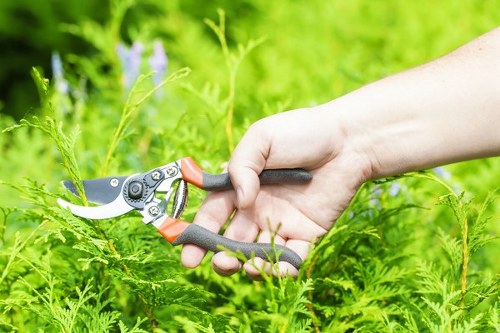
Not every tree problem needs complete removal, but there are times when it is clearly the best solution. The decision often comes down to safety, cost, future maintenance, and the amount of room available. If repeated pruning has not resolved the issue, or if the tree is structurally compromised, removal can be the most practical choice. It is often better to act early than to wait for a branch failure, root damage, or a collapse during poor weather.
Tree removal may be recommended when:
- The tree is dead or in severe decline
- There is a significant split, crack, or hollow section in the trunk
- Roots are causing damage to nearby surfaces or structures
- The tree is too large for the space it occupies
- It is leaning in a way that suggests instability
- Fungal growth or decay indicates internal weakness
- The site needs to be cleared for building or landscaping
- There is recurring drop of heavy limbs, sap, fruit, or debris
In some cases, customers only become aware of a problem after a storm or during a routine garden tidy-up. A tree may still have leaves and appear healthy at first glance, but hidden decay or root issues can make it unsafe. If there is any doubt, an inspection can help you understand whether removal is required now or whether monitoring would be more suitable.
Tree removal versus pruning
People often ask whether their tree can simply be reduced rather than removed. That is a fair question, and the answer depends on the condition of the tree and the outcome you want. Pruning can help manage size, shape, and light levels. It may also remove deadwood and reduce the risk of minor branch failure. However, pruning cannot fix a tree that is structurally failing, diseased beyond recovery, or fundamentally unsuitable for the site. In those cases, removal is usually the more reliable option.
If the tree is healthy but too close to the property, a targeted reduction may be enough. If the issue is more serious, removing the tree could protect the rest of the garden or building from future problems. A knowledgeable tree surgeon will explain the difference clearly, so you can make an informed decision based on the actual condition of the tree rather than guesswork.
What is included in a professional tree removal service
A proper service should do more than just cut down the tree. Customers in Barking usually want a solution that is safe, organised, and completed with minimum disruption. The exact scope can vary, but a good local team will usually provide a full start-to-finish service that covers assessment, removal, waste handling, and tidy-up. In many cases, stump options can also be discussed, depending on what you want to do with the space afterwards.
A typical service may include:
- Site visit or remote discussion to understand the job
- Advice on the safest and most practical method
- Controlled felling or sectional dismantling
- Removal of branches, trunk sections, and green waste
- Clearing the work area once the tree is down
- Optional stump grinding or stump reduction
- Basic guidance on aftercare and replanting possibilities
Some customers also ask for related work at the same time, such as hedge cutting, deadwood removal, canopy lifting, or clearance of adjoining vegetation. Combining tasks can often make the overall job easier to manage and may reduce repeated disruption to the property.
Why tidy-up matters
When tree removal is complete, there is usually a surprising amount of material left behind. Smaller branches, sawdust, leaves, timber sections, and loose debris can spread across lawns, paths, and driveways. A well-run service will manage this carefully so the site is left as clean as reasonably possible. For many customers, that tidy finish is just as important as the removal itself, especially where children, tenants, staff, or visitors will use the area soon after the work is done.
How to prepare for tree removal
Preparation helps the job run smoothly and can reduce delays on the day. You do not need to do anything complicated, but a few simple steps can make a big difference. This is especially true in Barking where parking space may be limited, access may be shared, and garden routes can be narrow. If you are booking tree removal for a home, rental property, or business premises, a little planning goes a long way.
Preparation checklist:
- Clear vehicles from the work area if possible
- Move furniture, pots, bikes, and fragile items away from the tree
- Let neighbours know if access is shared or may be affected
- Check that gates, side access, and entry routes are unlocked
- Keep pets and children away from the working zone
- Point out any concerns such as sheds, cables, or buried services
- Ask in advance about stump options and waste removal
If your property is part of a managed block, estate, or commercial site, it can also help to confirm any access arrangements, parking restrictions, or quiet-hour requirements before the team arrives. That reduces surprises and helps the work proceed safely.
Planning for stump removal or site reuse
Once a tree has been removed, the stump may remain unless it is dealt with separately. Some customers are happy to leave the stump in place for a while, especially if the area will be landscaped later. Others prefer it ground down so the space can be re-turfed, paved, replanted, or used for a new boundary feature. The right choice depends on what you plan to do next and how the stump sits within the garden or site. If the root system is likely to interfere with future work, stump grinding can be a sensible next step.
Pricing factors for tree removal in Barking
Every tree removal job is different, so pricing is usually based on the specific conditions on site rather than a fixed one-size-fits-all figure. Customers often want to know why one tree costs more to remove than another, and the answer usually comes down to risk, access, and time. A small tree in an open front garden may be straightforward, while a tall tree near a house or fence in a tight rear garden can take much more planning and labour.
Common factors that influence cost include:
- Tree size and height
- Species and wood density
- Health and structural condition
- Access to the tree and working space
- Proximity to buildings, roads, and boundaries
- Need for sectional dismantling or specialist equipment
- Waste volume and disposal requirements
- Whether stump grinding is included
In Barking, access is often one of the biggest considerations. If equipment has to be carried a long way through a property, or if the team must work around parking restrictions, that can affect how the job is planned. Likewise, if a tree is close to overhead structures or in a highly visible public area, extra care and time may be needed. The best way to get an accurate idea is to request a quote based on the actual site conditions.
Why choose a local Barking tree removal team

Choosing a local company offers practical benefits that matter on the day of the job. A Barking-based or nearby team is more likely to understand the roads, the parking situation, the mix of housing stock, and the types of access problems that often come up in the area. That local knowledge can save time, reduce disruption, and make it easier to plan around the realities of your property.
Local service also matters when you need flexibility. Weather changes, access issues, or urgent safety concerns can appear at short notice. A nearby team may be better positioned to respond quickly, arrange a site visit, or discuss the safest next step if a tree has become hazardous after bad weather. For landlords, agents, and business owners, that responsiveness can be especially valuable when you need to keep a property safe and presentable.
Other reasons local customers choose a nearby tree surgeon include:
- Better understanding of local property layouts
- More practical scheduling around parking and access
- Familiarity with residential and commercial settings
- Ability to assess trees in context with nearby buildings
- Quicker communication about site-specific needs
It is also easier to build a long-term relationship with a local team if you have ongoing tree work, hedge maintenance, or seasonal clearance needs. That is useful for homes with larger gardens, managed rental properties, and commercial premises that need regular attention.
Who we help
Tree removal is not only for homeowners. In Barking, a wide range of customers need help with trees that have become too large, unsafe, or inconvenient. The service can be tailored to different settings, from small gardens to large sites with public access. That versatility is important because the priorities for each customer type are slightly different.
We regularly work with:
- Homeowners dealing with overgrown or damaged trees
- Landlords and letting agents managing rental properties
- Housing associations and property managers
- Commercial premises and office sites
- Schools, care settings, and community buildings
- Builders and developers preparing land for work
- Retail and industrial properties with access or safety concerns
For domestic customers, the main aim is often to protect the home and restore usable garden space. For commercial clients, it may be about maintaining a safe environment, improving the look of the premises, or clearing a site for future use. In every case, the work should be planned carefully, carried out professionally, and completed with minimal disruption.
Nearby areas covered
Customers searching for tree removal in Barking often need help across nearby parts of East London and the surrounding boroughs as well. Depending on the job and access, services may also be relevant to surrounding neighbourhoods and districts where similar property layouts and access issues apply. If you are in or around the Barking area and need a local tree surgeon, it is worth enquiring even if your property sits just outside the immediate town centre.
Areas commonly covered may include:
- Barking town centre
- Upney
- Eastbury
- Thames View
- Creekmouth
- Ripple Road and surrounding residential streets
- Nearby parts of East Ham, Ilford, and Dagenham where appropriate
Local coverage is useful because many tree jobs are shaped by access and transport arrangements. A team that already knows the area can arrive prepared for the kinds of streets, gates, driveways, and parking limitations that often affect tree removal work in this part of London.
Health, safety, and legal considerations

Tree removal must always be approached carefully. Beyond the obvious physical risks, there can also be legal and practical considerations depending on the tree’s location and condition. Some trees may be protected, some may sit within conservation or planning controls, and others may be subject to ownership or boundary questions. Before work starts, it is important to establish who is responsible for the tree and whether any permissions are needed.
Safety matters on both private and shared sites. If a tree is near a footpath, driveway, public road, or neighbouring property, the work should be planned to control falling material and protect people nearby. This is one reason why professional tree removal is strongly preferable to attempting a DIY solution. Even smaller trees can behave unpredictably once cutting starts, and larger trees can create serious hazards if handled without the right equipment and experience.
Good practice includes:
- Confirming ownership and permission before work begins
- Checking whether any tree protection rules may apply
- Managing access so only authorised people enter the work zone
- Using suitable equipment for the tree size and site conditions
- Keeping the area tidy and free of avoidable hazards
What to do if a tree is suddenly dangerous
If a tree has been damaged in a storm, has split unexpectedly, or appears to be leaning more than before, treat it as a priority. Keep people away from the area and avoid standing under unstable branches. If the tree is close to a structure or could affect access, arrange for an assessment as soon as possible. Emergency situations may require urgent attendance or temporary safety measures before full removal can take place. A local team can advise on the safest next step.
What happens after the tree is removed
Once the tree has been taken down and the site cleared, you can decide how to use the space. Some customers want a completely open area for turf, planting, a patio, or additional parking. Others want to replace the tree with a smaller species that suits the space better. In some cases, the aim is simply to remove the risk and leave the rest of the garden untouched. Whatever your plan, removing the problem tree often makes the space easier to manage and improve.
If the stump remains, you may choose to grind it down later or leave it in place temporarily. If the area is to be replanted, it is sensible to consider the remaining roots and soil conditions. A professional tree surgeon can talk you through sensible next steps, especially if you want the garden or site to look good over the long term. Good aftercare decisions can make the difference between a short-term fix and a lasting improvement.
For many customers, tree removal is the first step in making a property feel safer, brighter, and more usable. It can improve access, reduce maintenance, and open up new options for landscaping or site use. If you are considering changes to your garden, driveway, or commercial space, this work can be an important part of the bigger plan.
Frequently asked questions
Do I need permission to remove a tree in Barking?
Sometimes, yes. It depends on whether the tree is protected, whether the property is in a controlled area, and who owns the tree. Before any work begins, it is sensible to check whether permission or notice is required. A local team can help you think through the basics and point out any issues that may affect the job.
Can you remove a tree from a small back garden?
Yes. Many tree removal jobs in Barking take place in tight residential gardens with limited access. The tree may need to be dismantled in sections and carried out carefully through a side passage or shared access route. This is common in terrace properties and other homes with compact outdoor spaces.
Will the waste be taken away?
In most cases, yes, the aim is to remove the tree and clear away the resulting waste as part of the service. It is always worth confirming what is included before booking, especially if you would like the wood chipped, logs left behind, or a stump dealt with separately.
How long does tree removal take?
That depends on the size of the tree, the access, and the complexity of the site. A straightforward smaller tree may be quicker than a large specimen that needs section-by-section dismantling. Trees near buildings, fences, or public spaces usually take more time because of the additional care involved.
Can a tree be removed without damaging my garden?
The aim is always to minimise disruption, but some impact is unavoidable because of the equipment, timber, and waste involved. A professional team will take steps to protect lawns, paths, and nearby structures as much as possible, and will tidy up once the job is complete.
What if I only want advice before deciding?
That is absolutely fine. Many customers request an inspection before committing to removal. If you are unsure whether the tree is dangerous, diseased, or simply too large, it is sensible to get an expert opinion first. That way you can choose the right solution with confidence.
Book your tree removal service now
If you need reliable tree removal in Barking, a local specialist can help you deal with the issue safely and efficiently. Whether the tree is damaged, overgrown, leaning, or causing problems with light, roots, or access, the right team will explain the options clearly and carry out the work with care. For homeowners, landlords, and commercial customers alike, prompt action can prevent further damage and make the property easier to use.
Request a free quote if you are ready to move forward, or ask for an assessment if you are still deciding whether removal is the best option. From first inspection to final tidy-up, the service should be straightforward, practical, and tailored to your site. Contact us today to arrange a visit or to discuss your tree removal requirements in Barking.
Book your service now and take the first step toward a safer, cleaner, and more manageable property.